Selasa, 12 April 2022

Risk of heart inflammation after COVID-19 vaccination low, say Singapore researchers in new study - CNA

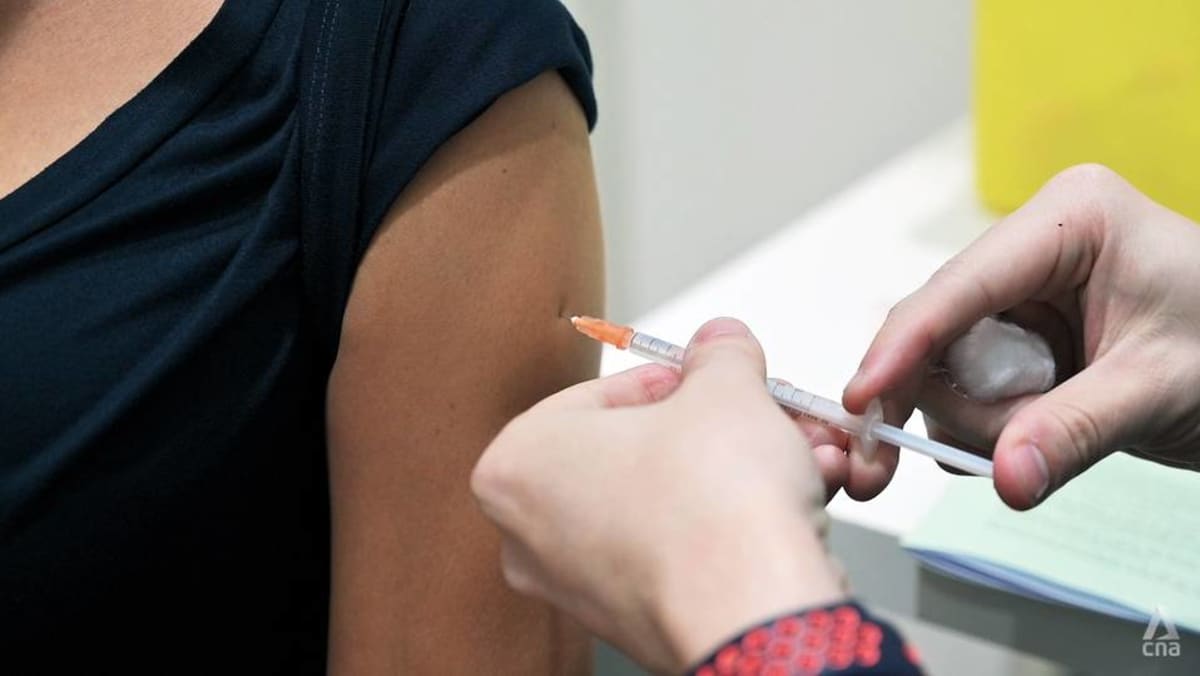
SINGAPORE: The overall risk of developing heart inflammation, or myopericarditis, following COVID-19 vaccination is "very low", affecting just 18 people per million vaccine doses, according to a team of researchers from Singapore.

Their study, published in the medical journal The Lancet Respiratory Medicine, found no statistically significant difference between the incidence of myopericarditis following COVID-19 vaccination and other vaccinations.

Other vaccinations affected 56 cases per million doses.

Myopericarditis is a condition that causes inflammation of the heart muscle and, in some cases, severe permanent heart damage. It is most often caused by viruses but can also occur after vaccination in rare instances.

The study was conducted by researchers from the National University Heart Centre, Singapore (NUHCS), the National University Hospital (NUH) and the Yong Loo Lin School of Medicine, National University of Singapore (NUS Medicine).

According to a joint press release on Tuesday (Apr 12), the researchers looked at more than 400 million vaccination doses, to compare the risk of myopericarditis following vaccination against COVID-19 and other diseases such as influenza and smallpox.

“Our research suggests that the overall risk of myopericarditis appears to be no different for this newly approved group of vaccines against COVID- 19, compared to vaccines against other diseases," said Dr Kollengode Ramanathan, senior consultant in the department of cardiac, thoracic and vascular surgery at NUHCS and one of the authors of the study.

There have been reports of myopericarditis following mRNA-based COVID-19 vaccination, especially in adolescents and young adults.

The researchers found that among people who received COVID-19 vaccines, the incidence of myopericarditis was significantly higher in males (vs females), in people younger than 30 years (vs 30 years or older), those receiving an mRNA vaccine (vs non-MRNA vaccine), and after a second dose of vaccine (vs a first or third dose).

The study suggested that policies like preferentially offering a non-mRNA vaccine to males, particularly those younger than 18 years could be considered to manage the risk of myopericarditis, while considering the overall benefits and harms of the vaccines. 

“The occurrence of myopericarditis following non-COVID-19 vaccination could suggest that myopericarditis is a side effect of the inflammatory processes induced by any vaccination and is not unique to the SARS-CoV-2 spike proteins in COVID-19 vaccines or infection,” said Dr Jyoti Somani, an infectious diseases specialist at NUH and a co-author of the study.

This highlights that the risk of the adverse events should be offset by the benefits of vaccination, such as "a lower risk of infection, hospitalisation, severe disease, and death from COVID-19", added Dr Somani.

Adblock test (Why?)


https://news.google.com/__i/rss/rd/articles/CBMibGh0dHBzOi8vd3d3LmNoYW5uZWxuZXdzYXNpYS5jb20vc2luZ2Fwb3JlL215b3BlcmljYXJkaXRpcy1yaXNrLWNvdmlkLTE5LXZhY2NpbmF0aW9uLWxvdy1sYW5jZXQtc3R1ZHktMjYyMTc2MdIBAA?oc=5

2022-04-12 11:34:17Z
1380412579

Risk of heart inflammation after Covid-19 vaccination found to be very low, says new study - The Straits Times

SINGAPORE - The overall risk of heart inflammation following Covid-19 vaccination has been found to be very low, affecting just 18 people per million vaccine doses.

A new study published in The Lancet Respiratory Medicine confirms that the risk of myopericarditis - a condition that causes inflammation of the heart muscle - following Covid-19 vaccination is comparable to or lower than the risk following non-Covid-19 vaccinations.

The study was led by researchers in Singapore, namely Dr Kollengode Ramanathan, a senior consultant from the department of cardiac, thoracic and vascular surgery at the National University Heart Centre, Singapore.

Other authors include Dr Jyoti Somani and Professor Dale Fisher from the division of infectious diseases at the National University Hospital.

Myopericarditis, in some cases, can result in severe permanent heart damage. It is most often caused by viruses but can also occur after vaccination in rare instances. There have been reports of myopericarditis following mRNA-based Covid-19 vaccination, especially in adolescents and young adults.

The researchers examined international databases, looking at more than 400 million vaccination doses, to compare the risk of myopericarditis following vaccination against Covid-19 and other diseases such as influenza and smallpox.

They found no statistically significant difference between the incidence of myopericarditis following Covid-19 vaccination, at 18 cases per million doses, and other vaccinations, at 56 cases per million doses.

Among Covid-19 vaccinations, the risk of myopericarditis was higher for those who received mRNA vaccines (22.6 cases per million doses) compared with non-mRNA vaccines (7.9 cases per million doses).

Reported myopericarditis cases were also higher in people below the age of 30 (40.9 cases per million doses), males (23 cases per million doses), and following the second dose of Covid-19 vaccine (31.1 cases per million doses).

"The occurrence of myopericarditis following non-Covid-19 vaccination could suggest that myopericarditis is a side effect of the inflammatory processes induced by any vaccination and is not unique to the Sars-CoV-2 spike proteins in Covid-19 vaccines or infection," said Dr Somani.

Dr Ramanathan said: "Our research suggests that the overall risk of myopericarditis appears to be no different for this newly approved group of vaccines against Covid- 19, compared to vaccines against other diseases.

"The risk of such rare events should be balanced against the risk of myopericarditis from infection and these findings should bolster public confidence in the safety of Covid-19 vaccinations."

There were some limitations to this study. For instance, the findings include only a small proportion of children under the age of 12 who have only recently been eligible for vaccination, and results of this study cannot be generalised to this age group.

Adblock test (Why?)


https://news.google.com/__i/rss/rd/articles/CBMigAFodHRwczovL3d3dy5zdHJhaXRzdGltZXMuY29tL3NpbmdhcG9yZS9yaXNrLW9mLWhlYXJ0LWluZmxhbW1hdGlvbi1hZnRlci1jb3ZpZC0xOS12YWNjaW5hdGlvbi1mb3VuZC10by1iZS12ZXJ5LWxvdy1zYXlzLW5ldy1zdHVkedIBAA?oc=5

2022-04-12 01:00:00Z
1380412579

Senin, 11 April 2022

China’s foreign firms decry ‘rapidly mounting’ costs of zero-Covid measures - South China Morning Post

[unable to retrieve full-text content]

China’s foreign firms decry ‘rapidly mounting’ costs of zero-Covid measures  South China Morning PostView Full coverage on Google News
https://news.google.com/__i/rss/rd/articles/CBMidWh0dHBzOi8vd3d3LnNjbXAuY29tL2Vjb25vbXkvY2hpbmEtZWNvbm9teS9hcnRpY2xlLzMxNzM4NzkvY2hpbmFzLWZvcmVpZ24tZmlybXMtZGVzcGVyYXRlLXNoaWZ0LWF3YXktb2xkLXRvb2xib3gtbWFzc9IBAA?oc=5

2022-04-11 11:30:14Z
CAIiEP0_xe6XSJ1eX4iEPT2LC4kqGQgEKhAIACoHCAowief2CjCJ2dUCMOOKqQY

China Stocks Caught in Fresh Rout on Covid, Regulation Worries - Bloomberg

Chinese stocks tumbled on Monday as mounting concern over a Covid outbreak at home and rising global interest rates added to persistent regulatory headwinds.

The tech sector was once again at the forefront of losses, with the Hang Seng Tech Index closing 5.2% lower in Hong Kong. The broader Hang Seng Index as well as China’s benchmark CSI 300 Index each slumped about 3%.

Adblock test (Why?)


https://news.google.com/__i/rss/rd/articles/CBMib2h0dHBzOi8vd3d3LmJsb29tYmVyZy5jb20vbmV3cy9hcnRpY2xlcy8yMDIyLTA0LTExL2NoaW5hLXRlY2gtc3RvY2tzLWZhbGwtYXMtaW52ZXN0b3JzLXdhcnktb2YtcmVndWxhdGlvbi1yaXNrc9IBAA?oc=5

2022-04-11 06:04:00Z
1374113985

Minggu, 10 April 2022

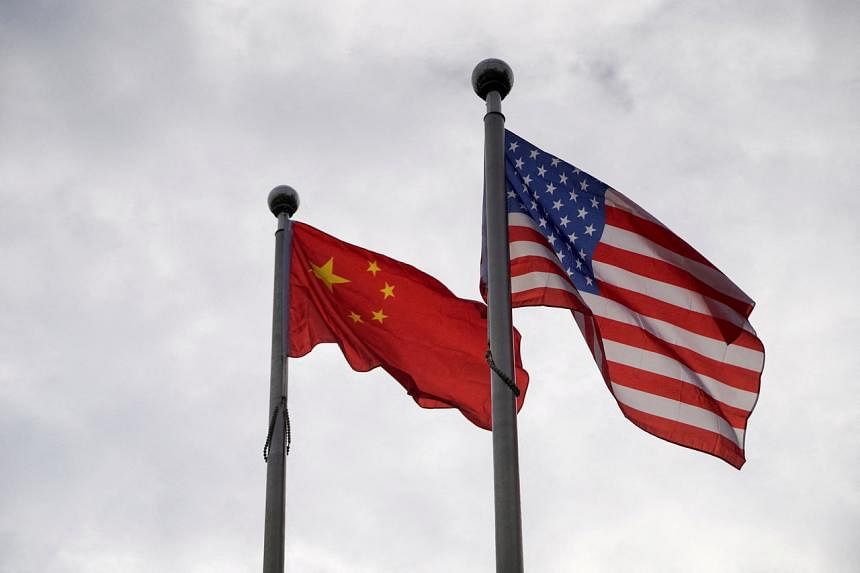
Perception that US is on the wane as the East rises likely to be proven wrong: PM Lee - The Straits Times

SINGAPORE - There is a strong perception in some parts of the world, including China, that the East is rising and the West declining, and that the United States no longer has a bright future as the world is changing too fast for its system - a democracy with checks and balances.

Prime Minister Lee Hsien Loong does not believe this at all, he said in a recent dialogue with the editorial board of The Wall Street Journal.

While the US is preoccupied with many problems for which it does not see a ready solution, to conclude that America is a country with no future is a "very, very rash assumption to make", he said.

"It is a bet which if proven wrong - which is very likely - is going to cost; cost in overly ambitious plans, cost in overly complacent assumptions, cost in being aggressive in ways which are going to cause a problem, not just to the US but with the rest of the world."

Even if the US is no longer the hyperpower, he added, it will still be close to the biggest economy and one of the most advanced, vibrant and dynamic economies and societies in the world, able to attract talent, generate new ideas and reinvent itself.

But he noted that this was not a universal view.

And there is not much the US can do about that perception by arguing about it.

"You can only solve that problem by progressively being seen to overcome your problems. And to be looking outwards and to be playing the part which so many countries in the Asia-Pacific would like you to play," he added.

The transcript of the dialogue on April 1, during PM Lee's visit to Washington and New York, was released by the Prime Minister's Office on Sunday (April 10).

For a long time, PM Lee said, the US had held itself out as a beacon for the world and saw that it was in its own interest to be open and to carry the obligations of being a policeman in the region.

And the stability of the region turned out to be a boon, with many US multinational corporations and citizens benefiting from being in the region and many from the region developing links and a fondness for the US, he added.

But over time, as the balance shifted with the rise of China and the development of South Korea and South-east Asian countries, a counter-narrative developed in the US questioning why it should still bear the burden of security when its share of the gains is now smaller than it used to be, he said.

While the current US administration under President Joe Biden takes a broader approach, the strategic and economic balance has shifted, and adjustments do need to be made in terms of what the other countries in the region will do, PM Lee added.

Adblock test (Why?)


https://news.google.com/__i/rss/rd/articles/CBMiiQFodHRwczovL3d3dy5zdHJhaXRzdGltZXMuY29tL3NpbmdhcG9yZS9wb2xpdGljcy9wZXJjZXB0aW9uLXRoYXQtdXMtaXMtb24tdGhlLXdhbmUtYXMtdGhlLWVhc3QtcmlzZXMtbGlrZWx5LXRvLWJlLXByb3Zlbi13cm9uZy1zYXlzLXBtLWxlZdIBAA?oc=5

2022-04-10 10:00:00Z
CBMiiQFodHRwczovL3d3dy5zdHJhaXRzdGltZXMuY29tL3NpbmdhcG9yZS9wb2xpdGljcy9wZXJjZXB0aW9uLXRoYXQtdXMtaXMtb24tdGhlLXdhbmUtYXMtdGhlLWVhc3QtcmlzZXMtbGlrZWx5LXRvLWJlLXByb3Zlbi13cm9uZy1zYXlzLXBtLWxlZdIBAA

Sabtu, 09 April 2022

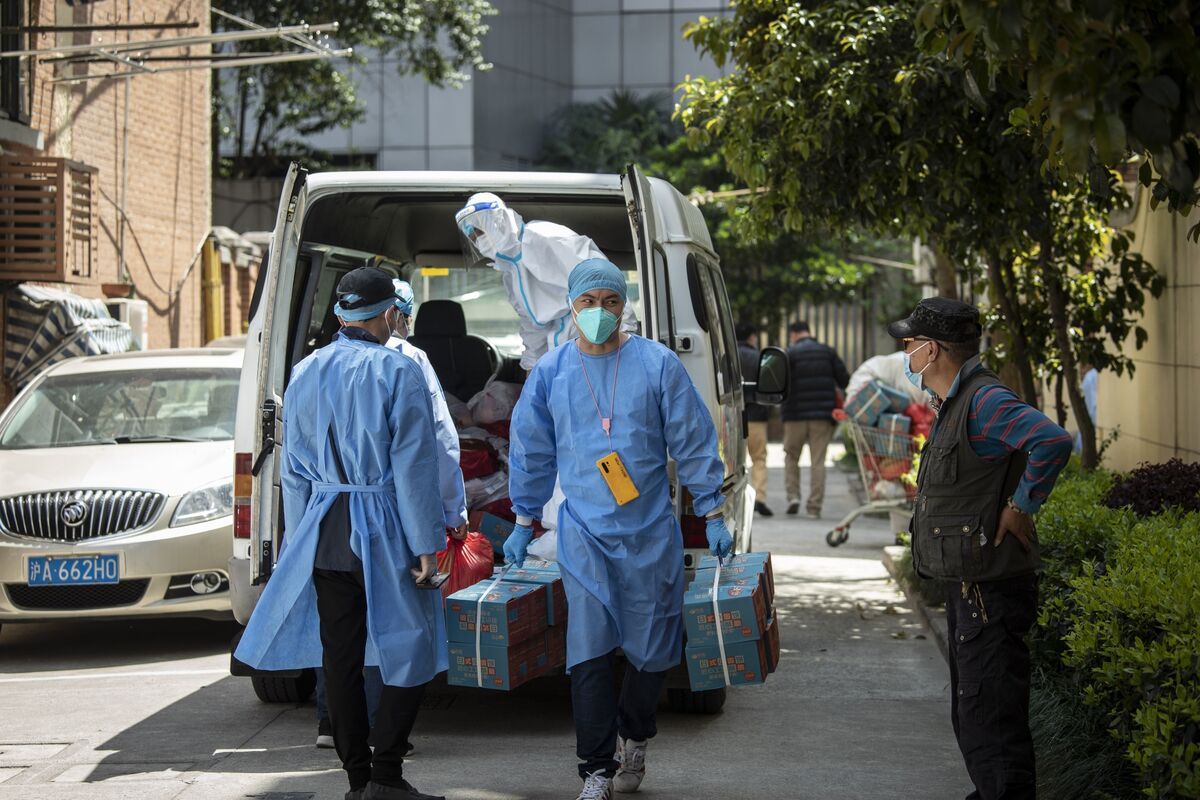
Locked down Shanghai residents risk punishment, sneaking out to barter for food - South China Morning Post

[unable to retrieve full-text content]

Locked down Shanghai residents risk punishment, sneaking out to barter for food  South China Morning Post
https://news.google.com/__i/rss/rd/articles/CBMid2h0dHBzOi8vd3d3LnNjbXAuY29tL25ld3MvcGVvcGxlLWN1bHR1cmUvYXJ0aWNsZS8zMTczNjU4L2NoaW5hLWNvcm9uYXZpcnVzLXNoYW5naGFpLXJlc2lkZW50cy1yaXNrLXB1bmlzaG1lbnQtYnJlYWNoaW5n0gEA?oc=5

2022-04-09 00:30:21Z
CAIiEHeCKjGJJJDpCK9nR6yZqNgqGQgEKhAIACoHCAowief2CjCJ2dUCMKqaxwU

Sri Lanka doubles interest rates to tame inflation as crisis bites - CNA

COLOMBO: Sri Lanka's central bank doubled its key interest rates on Friday (Apr 8), raising each by an unprecedented 700 basis points to tame inflation that has soared due to crippling shortages of basic goods driven by a devastating economic crisis.

The heavily indebted country has little money left to pay for imports, meaning fuel, power, food and, increasingly, medicine are in short supply.

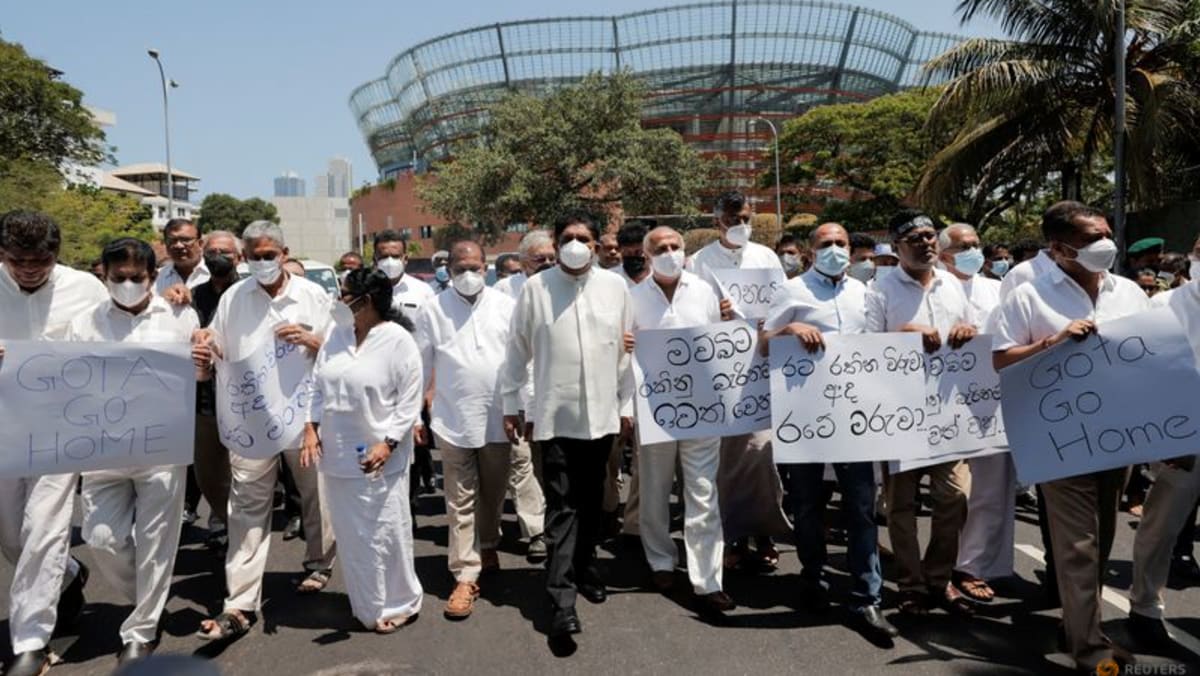
Street protests have been held nearly non-stop for more than a month, despite a five-day state of emergency and a two-day curfew.

The Central Bank of Sri Lanka's (CBSL) monetary board raised its standing lending facility to 14.50 per cent and its standing deposit facility to 13.50 per cent.

It cited "inflationary pressures that could further intensify... driven by the build-up of aggregate demand, domestic supply disruptions, exchange rate depreciation and the elevated prices of commodities globally". Inflation hit 18.7 per cent in March.

An analyst had expected hikes of up to 400 basis points.

Thilina Panduwawala, head of economic research at Frontier Research, said the hike showed that the CBSL's new governor, P Nandalal Weerasinghe, was serious about addressing the crisis.

"With the monetary policy tightening now finally clear, the stage is set to take the next vital steps with regards to IMF and debt restructuring and clearly communicate this to the international stage," Panduwawala said.

Finance Minister Ali Sabry said earlier that the country must urgently restructure its debt and seek external financial help, while the main opposition threatened a no-confidence motion in the government and business leaders warned exports could plummet.

"We cannot step away from repaying debt because the consequences are terrifying. There is no alternative, we must restructure our debt," Sabry told parliament.

J.P. Morgan analysts estimate that Sri Lanka's gross debt servicing costs will amount to US$7 billion this year, with a US$1 billion repayment due in July.

"We have to go for a debt moratorium," said Sabry, who offered to quit a day after he was appointed on Monday but later confirmed that he was still finance minister.

"We have to suspend debt repayment for some time and get bilateral and multilateral support to manage our balance of payments."

Adblock test (Why?)


https://news.google.com/__i/rss/rd/articles/CBMiaWh0dHBzOi8vd3d3LmNoYW5uZWxuZXdzYXNpYS5jb20vYXNpYS9zcmktbGFua2EtZG91Ymxlcy1pbnRlcmVzdC1yYXRlcy10YW1lLWluZmxhdGlvbi1jcmlzaXMtYml0ZXMtMjYxNjIyNtIBAA?oc=5

2022-04-08 14:21:15Z
1375161065